Serving Everett, MA and surrounding areas. (857) 363-5116
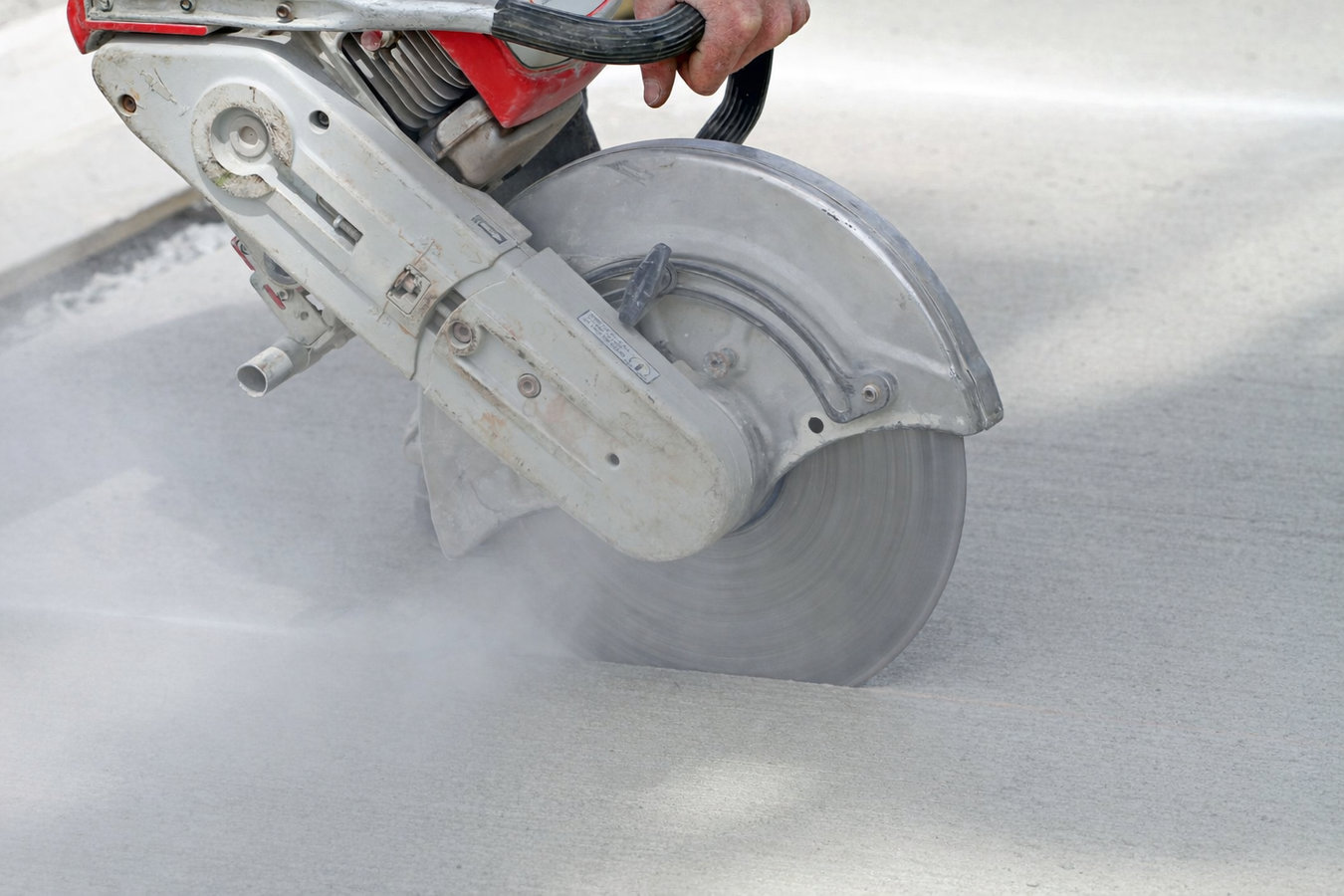
Need an opening cut in a foundation wall, a utility trench through a basement floor, or a damaged slab section removed cleanly? We cut concrete in Everett with diamond saw equipment - straight edges, no surrounding damage, full slurry cleanup before we leave.
Concrete cutting in Everett, MA uses diamond-tipped saw blades to make precise openings in existing slabs, walls, and floors - most residential jobs run two hours to a full day depending on the number of cuts and the thickness of the concrete.
Everett's older housing stock - triple-deckers and two-family homes built before World War II - often needs concrete cutting when homeowners finish basements, run new plumbing or electrical, or add egress windows to bring below-grade spaces up to code. A jackhammer can do the job, but it sends shockwaves through the surrounding slab and leaves ragged edges. A diamond saw makes a straight, controlled cut that protects the concrete you are keeping.
When the project also involves building a new paved surface after the cutting is done, our concrete driveway building and concrete parking lot building services can be coordinated as part of the same project.
Finishing a basement, adding a bathroom, or upgrading the electrical panel often means going through a concrete floor. A concrete cutter makes a clean, precise opening that is easier for the plumber or electrician who follows and does not damage the surrounding slab. This is one of the most common calls Everett homeowners with older triple-deckers make to a cutting contractor.
A crack in your driveway, front steps, or basement floor that seems a little wider each spring than it was the fall before is being worked on by Everett's freeze-thaw cycles. Small cracks do not stay small here. A concrete cutter can remove the damaged section cleanly so it can be repoured properly rather than letting the damage continue to spread.
Converting a basement to living space or improving safety may require a code-compliant egress window. That opening has to be cut into the foundation wall - not broken out with a sledgehammer. A saw-cut opening is straight, safe, and ready for the window installer to follow. Rough openings made the wrong way can crack the surrounding wall and compromise the structure.
If the top layer of your driveway or front steps is flaking off in thin chips - especially after a winter of heavy road salt use - that is spalling. Everett driveways and stoops see heavy de-icing chemical exposure every season, and once spalling reaches a certain depth, the damaged section often needs to be cut out and replaced rather than patched over.
We use flat saws for floor and slab cuts, hand-held cut-off saws for smaller or tighter work, and wall saws when an opening needs to be cut vertically through a foundation wall. The method depends on where the cut needs to happen and how deep it needs to go - we assess your specific situation before recommending which equipment is right for your job. Every cut is made wet, with water cooling the blade and controlling dust.
After cutting, we break out and remove the cut sections, vacuum up the wet concrete slurry with industrial equipment, and leave the work area clean. We do not wash slurry down your driveway or into a storm drain - it is hauled away as part of the job. Whether your project leads into a new concrete pour or hands off to a plumber, electrician, or window installer, we coordinate the handoff so the next trade is not waiting on cleanup.
Horizontal cuts through driveways, basement floors, and slab surfaces - used for utility trenches, damaged section removal, and control joint installation.
Vertical cuts through foundation walls and above-grade concrete - used for egress window openings, new doorways, and pass-through utility penetrations.
Circular holes drilled through concrete for pipes, conduit, and utility penetrations - clean, precise, and sized to spec for whatever is running through.
Full section removal from a slab or wall that needs to be replaced - precise cuts that protect surrounding concrete and make the demolition and repour straightforward.
A large share of Everett homes were built in the early 1900s, and the concrete in them - basement floors, foundation walls, stoops and steps - was poured by hand with less consistency than modern concrete. That older material can be unpredictable: thinner in some spots, thicker in others, more brittle after decades of freeze-thaw stress. A contractor who does not assess the slab before quoting may be surprised by what they find inside it. We look first and price accordingly, so the number you agree to is the number you pay.
Everett's tight lots also mean that access for larger equipment is sometimes not possible - narrower streets, low fences, and buildings right next to each other require smaller saws and more careful planning. We work in these conditions regularly throughout Everett and in nearby communities like Chelsea and Somerville, where the same dense urban housing stock presents the same challenges.
We respond to all inquiries within 1 business day. When you first reach out, we ask what you are trying to accomplish and where the concrete is - floor, wall, driveway. This helps us know whether the job needs a site visit before quoting or whether we can give a rough range by phone.
For most jobs we visit in person before giving a price. We check the thickness of the slab, assess for rebar, look at equipment access, and confirm what the cut needs to accomplish. A contractor who quotes without seeing the site often revises once they start - we do not.
If your project requires a permit - which is common for foundation wall cuts and renovation work - we handle pulling it from Everett's Inspectional Services Department. No work starts without the right paperwork in place.
The crew sets up containment, makes the cuts, breaks out and removes sections, and vacuums up all wet slurry before leaving. You will know what comes next - whether that is a concrete pour, a window installer, or a plumber - because we walk you through the handoff before we pack up.
We assess your slab in person, price the job honestly, and handle permits where required. No obligation to move forward.
(857) 363-5116Rebar inside a slab changes how long a cut takes and what blade is needed. We assess for it before we quote you a price - not after we start cutting. That means no mid-job conversations about extra charges because we found something we should have looked for in the first place.
Massachusetts takes contractor licensing seriously, and Everett's Inspectional Services Department inspects permitted work. We pull required permits, perform work to code, and hand you documentation you can rely on when you sell your home. Unpermitted structural cuts can stall a closing - we make sure that is never your problem.
Everett properties are some of the most tightly built in Massachusetts. When a large walk-behind saw cannot fit through a gate or down a narrow side yard, we bring the right hand-held or smaller equipment for the job rather than telling you it cannot be done. We account for access during the estimate visit - not the morning of the cut.
Concrete cutting creates a wet slurry that has to be handled properly. We contain it during the cut, vacuum it up with industrial equipment, and haul it away. The OSHA silica standard exists because concrete dust is a serious health hazard - we follow it on every job. Washing slurry into your drain or the street is not how we do business.
Concrete cutting in Everett's older housing stock requires experience with variable slab conditions, tight access, and the permit process. Every job we take starts with an honest assessment and ends with the work area cleaner than we found it.
When a cutting project opens up a driveway section for removal, our driveway building service replaces it with a properly reinforced, fully permitted concrete surface built for Everett winters.
Learn MoreFor commercial or multi-unit properties where cutting is part of a larger paving project, our parking lot service handles the full build-out from demolition through final pour.
Learn MoreSpring books fast - call now to get your estimate scheduled before the season fills up and your project waits until fall.